Cart
0
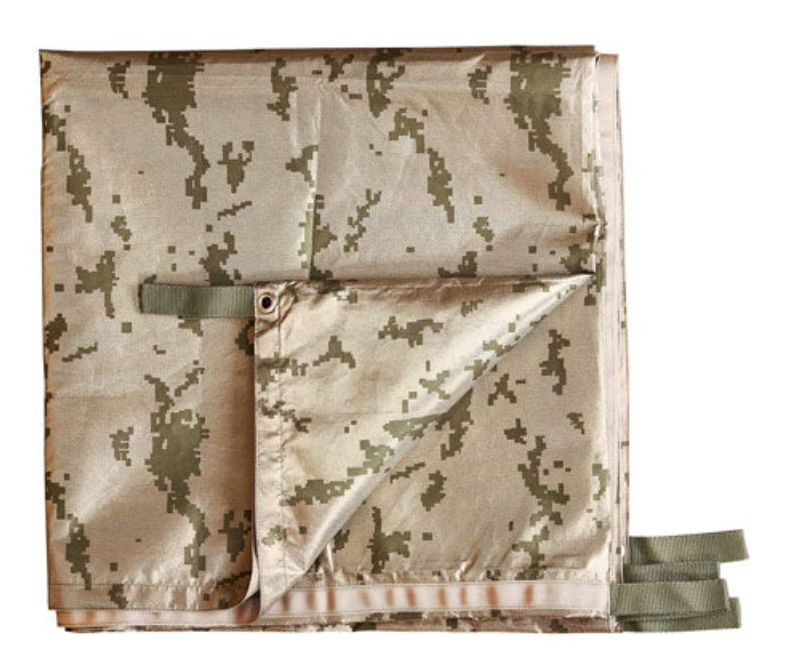
Why are tactical tarps more effective than traditional tents
Traditional tents are designed primarily for comfort.
Tactical tarps are designed for adaptability, mobility and reduced detectability.
When operating in environments where visibility, speed of shelter erection and thermal exposure play a role, traditional tents quickly become a disadvantage. This is where tarp shelters bring a clear advantage.
Modern tactical equipment is no longer evaluated solely by durability or camouflage pattern. Equally important is how materials behave in real-world environmental conditions — humidity, temperature changes and long-term deployment in the field.
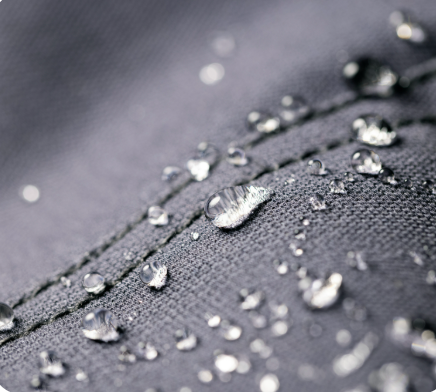
The advanced surface treatments used in modern tactical textiles are designed to repel water without limiting breathability. Instead of absorbing moisture, the material allows water to run off the surface, thereby maintaining thermal stability and reducing unwanted heat retention. This plays a crucial role not only in terms of comfort, but also in the way heat spreads across the surface of the material.

In real-world conditions, damp or wet materials often amplify the thermal signature.
A properly designed material solution minimizes this effect by preventing heat concentration and uneven radiation, which could otherwise make the user more visible to thermal observation.
The difference is noticeable in the field.
An operator moving in a dense environment relies on equipment that can adapt — not only visually, but also in terms of thermal signature. The behavior of the fabric, the structure of the surface, and the way it interacts with heat affect how easily a human presence can be detected by modern sensors and drones.
This is where traditional ideas about camouflage begin to fail.
Merely visually blending in with the surroundings is no longer enough if the material itself works against the wearer during infrared or thermal surveillance.
Modern tactical equipment must function as a system — one that simultaneously takes into account the environment, movement, and detection technologies. Only then does camouflage become more than just a visual illusion.